
Is South Africa Safe for Tourists in 2025? Local Safety Advice
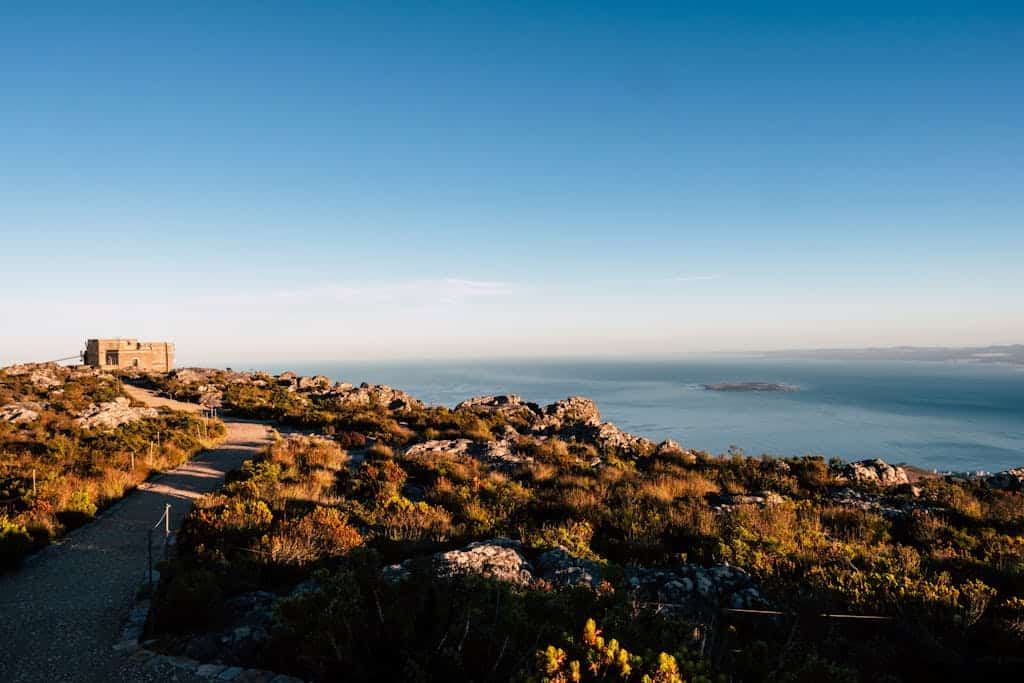
If you’re concerned about whether South Africa is safe for tourists, the short answer to this is “yes, but…”. Although there is a high crime rate in South Africa generally, most of it takes place outside of areas that tourists are likely to go to.
I’ve read a lot of blog posts, including ones written by women, which say that they didn’t feel unsafe at all in South Africa, or that South Africa is in fact perfectly safe, and that the media hypes up the security concerns.
As a South African, I’m pleased to hear that people have had such positive experiences. But there is crime in South Africa, like everywhere else. Whenever you travel anywhere, you should be aware of the risk of theft and pickpocketing, and people who say they have never felt unsafe at all in South Africa may not have been aware of their surroundings.
That said, lots of people, including solo female travellers, get along just fine in South Africa, as most of the serious crime takes place in areas which tourists are unlikely to go to. In the 31 years I lived in South Africa, the only crime I experienced was theft and pickpocketing.
Read on for my advice on how to stay safe in South Africa.
The Safest Areas for Tourists to Stay in South Africa
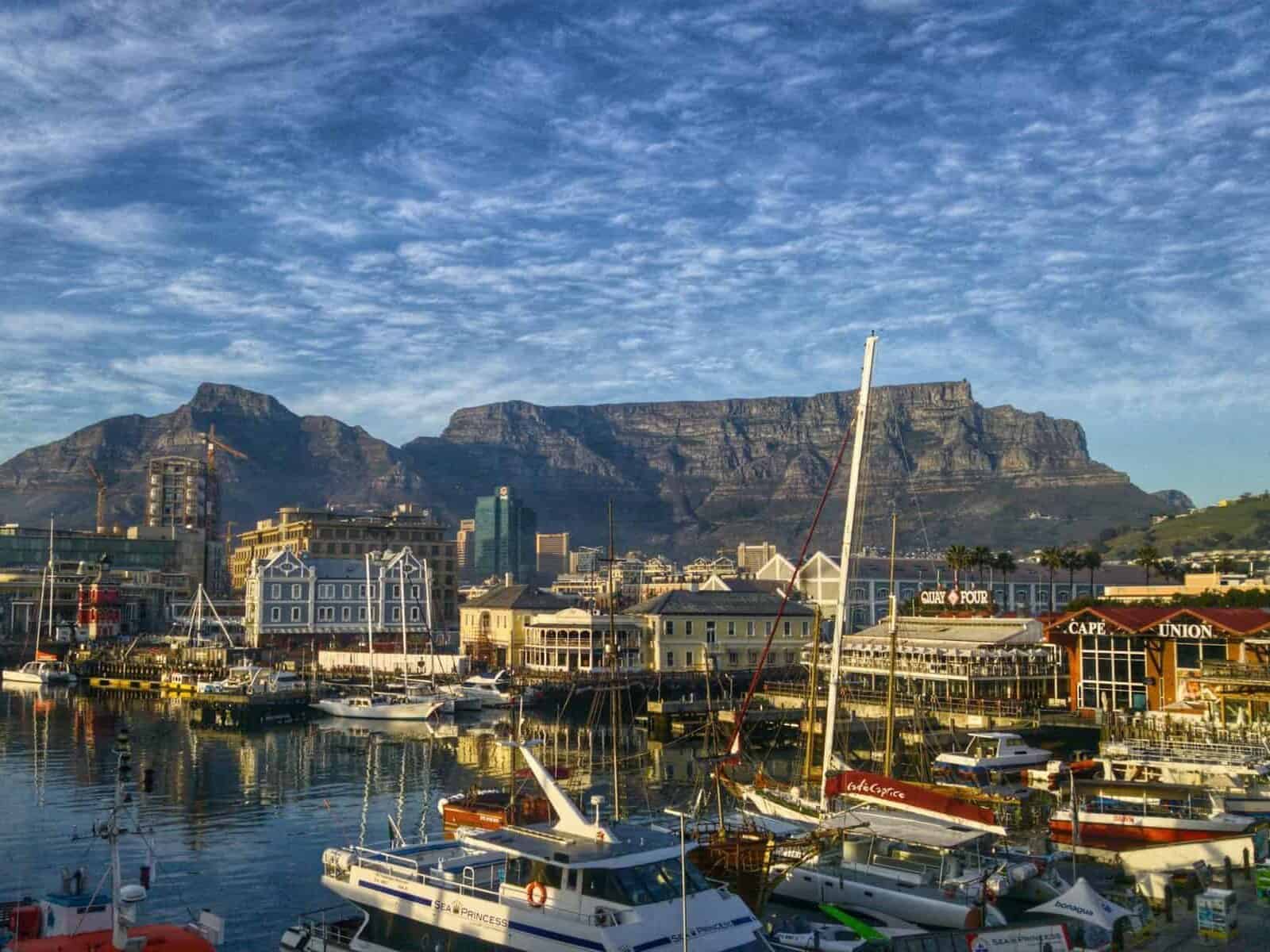
The Safest Areas to Stay in Cape Town
The safest areas in Cape Town are the V&A Waterfront, Sea Point, Green Point, Camps Bay, Clifton and Constantia. For the best places to stay in Cape Town by area, read my Cape Town hotel suggestions here.
If you do stay at the Waterfront, you shouldn’t be afraid to venture outside of it at night – just don’t walk around Cape Town at night. Ubers are easy to get in the City Bowl, and much cheaper than you’d expect.
See my detailed post about safety in Cape Town here, and my 40 best things to do in Cape Town here.
The Safest Areas to Stay in Durban
You might be in Durban for a layover on your way to a safari trip (the game reserves near Durban are great because there is no malaria there), and a night or two in Durban is definitely worth doing. If you are staying, the best areas are Umhlanga, Umdloti and Ballito.
If you can justify the price, I am obsessed with the Oysterbox Hotel in Umhlanga. Even if you don’t stay, you should visit the spa, which is one of my favourites in South Africa, go to afternoon tea or the curry buffet, or at least have a drink on the terrace – the views overlooking the lighthouse and the promenade are iconic.
For slightly more pocket-friendly options, the Radisson Blu in Umhlanga and Sandals Guest House are very near to the Oysterbox, on the same lovely stretch of Durban promenade.
The Safest Areas to Stay in Johannesburg
Most tourists are unlikely to be in Johannesburg (“Joburg” to locals) apart from for a layover before or after a safari trip. If you are in Joburg, the best places to stay are Sandton or Rosebank (which have easy access to the Gautrain, which gets you to the airport), or Westcliff – my favourite Joburg hotel is the Four Seasons Westcliff.
Crime in South Africa
Theft
Like with most countries, theft is the most likely kind of crime that tourists might experience in South Africa. Here are some general safety tips:
- Don’t flash valuable items like cameras and jewellery around, and avoid carrying large amounts of cash.
- ATMs can be a hotspot for scam artists – if you need to draw money, do so within a shopping mall or at an ATM inside a bank, and ignore anybody who talks to you.
- Leave valuable items like passports in hotel safes.
- Keep your handbag on your lap in restaurants, not on the floor or hanging over the back of your chair.
- A card machine is usually brought to you at a restaurant – don’t let anyone take your card out of sight to complete a payment.
- When paying in shops, make sure you can see where your card is.
- Don’t fight to try to keep your possessions if you get mugged – give them what they want.
You are likely to be asked for money quite a lot in South Africa, particularly when you’re walking around. Whether you want to give is, of course, up to you, but I generally don’t like digging around my handbag or my wallet in public.
If you feel uncomfortable doing this, the advice I’ve been given by police, on several occasions, is to say no and donate the equivalent amount to charity. My favourite South African charities are Habitat for Humanity, FoodForward SA, and the Lunchbox Fund. You can also buy vouchers for homeless shelters, which you can give away.
Getting Around South Africa Safely
Is it Safe to Walk Around in South Africa?
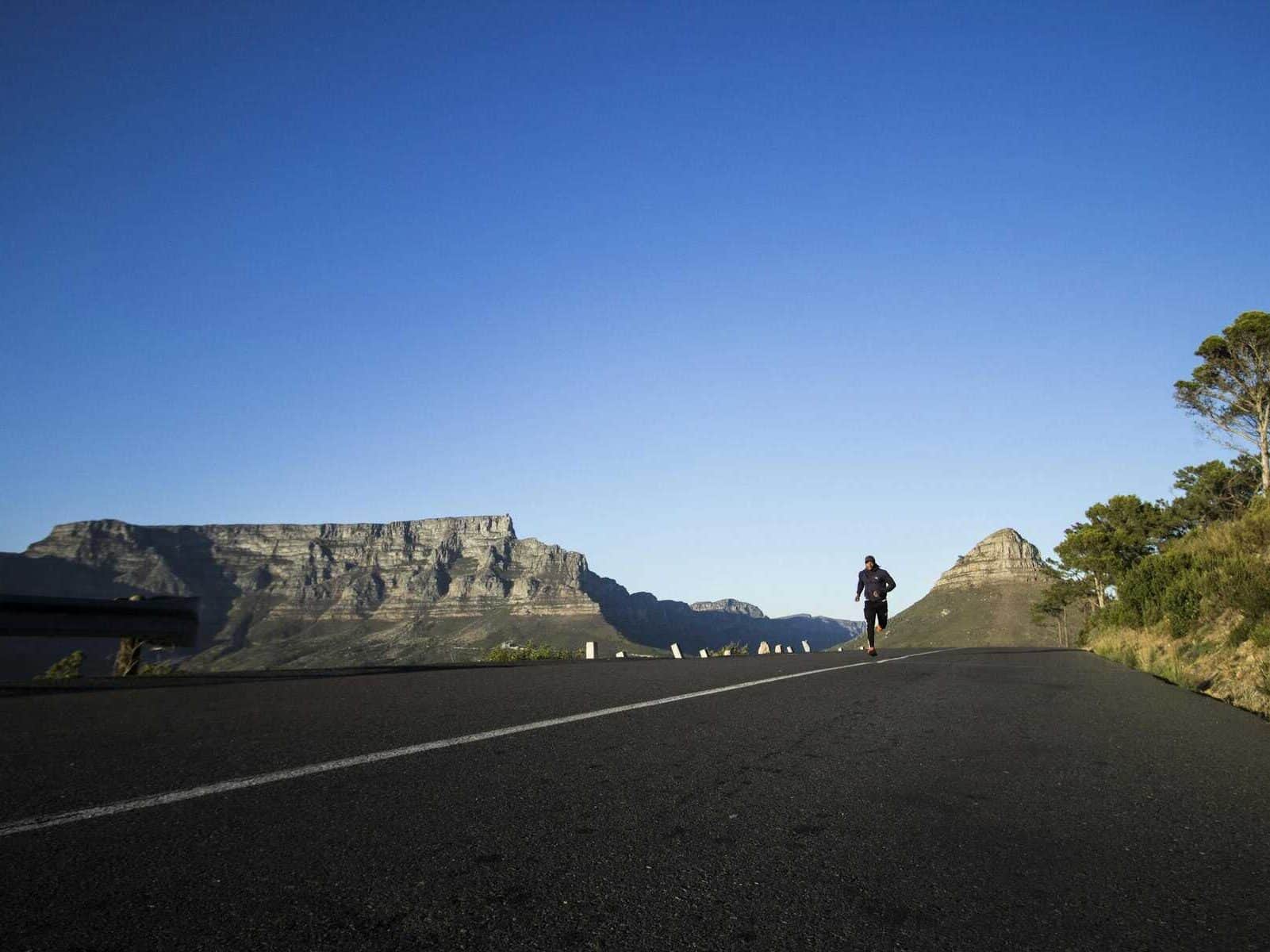
During the day, walking around parts of South Africa is ok, as long as you can see that there are lots of people around.
In Cape Town, Bree Street, Kloof Street, Sea Point (including the Sea Point Promenade), Green Point, and De Waterkant are all ok during the day. In Durban, the promenade and short walks from the beach to the village are safe during the day.
Avoid walking around in South Africa at night, unless you’re walking around within the V&A Waterfront – rather get an Uber.
Driving Safety Tips
South Africa has one of the highest road fatality rates in the world. Oddly, despite a reputation for being generally friendly, South Africans can be quite aggressive when driving. Make sure to keep a safe following distance from the cars in front of you.
Other driving safety tips:
- When driving around, avoid having valuables visible through car windows. Although you might need your phone propped up in order to navigate, leave large bags in the boot, and put smaller bags under the seat.
- Keep doors locked and windows closed, and be aware of your surroundings when stopped at traffic lights.
- When you park the car, make sure that it is locked. If you lock the car with a remote, it is best to check manually that it is actually locked, as signal jammers are not unheard of.
- Don’t leave anything of value visible on car seats when you leave the car.
Is Public Transport Safe in South Africa?
Apart from the My City Bus in Cape Town, the tourist-focused Red Bus, and the Gautrain in Johannesburg, public transport is best avoided by tourists. It is very cheap, but there can be security issues.
You’re not really missing out, though, as public transport can be unreliable and the routes are nowhere near as well-developed as in Europe, for example. Ubers are cheap, easy to get, and much safer.
Are Taxis and Ubers Safe in South Africa?
There are minibus taxis in South Africa, which I don’t recommend to tourists (there are pickpockets, and there have been horrendous overcharging stories).
The old metered taxis are a dying breed, but there are also ride-hailing apps – Uber is the only one I recommend for use in South Africa.
Is it Safe to Walk Around at Night in South Africa?
You should avoid walking around most parts of South Africa at night, apart from inside the V&A Waterfront in Cape Town – rather get an Uber.
Outdoor Safety in South Africa
Sun Safety Tips
The sun is a danger which is often underestimated by tourists visiting South Africa. You need sunblock, which you should frequently reapply, and it should be at least SPF 30 (SPF 50 is better).
South Africa also sees a significant number of heatstroke cases in the summer months. Sorry if I sound like Captain Obvious, but the sun in South Africa is hottest at midday (I thought this was a universal phenomenon until I lived in London, where it is oddly sometimes hottest in the late afternoon).
It is usually best to avoid being in the direct sun between 11:00 and 14:00, and you should definitely avoid hiking between those times in the summer. Throughout my childhood, we were usually pulled out of the swimming pool around midday, made to come inside for lunch, and then let out again after 14:00.
How Safe Are South Africa’s Hikes?
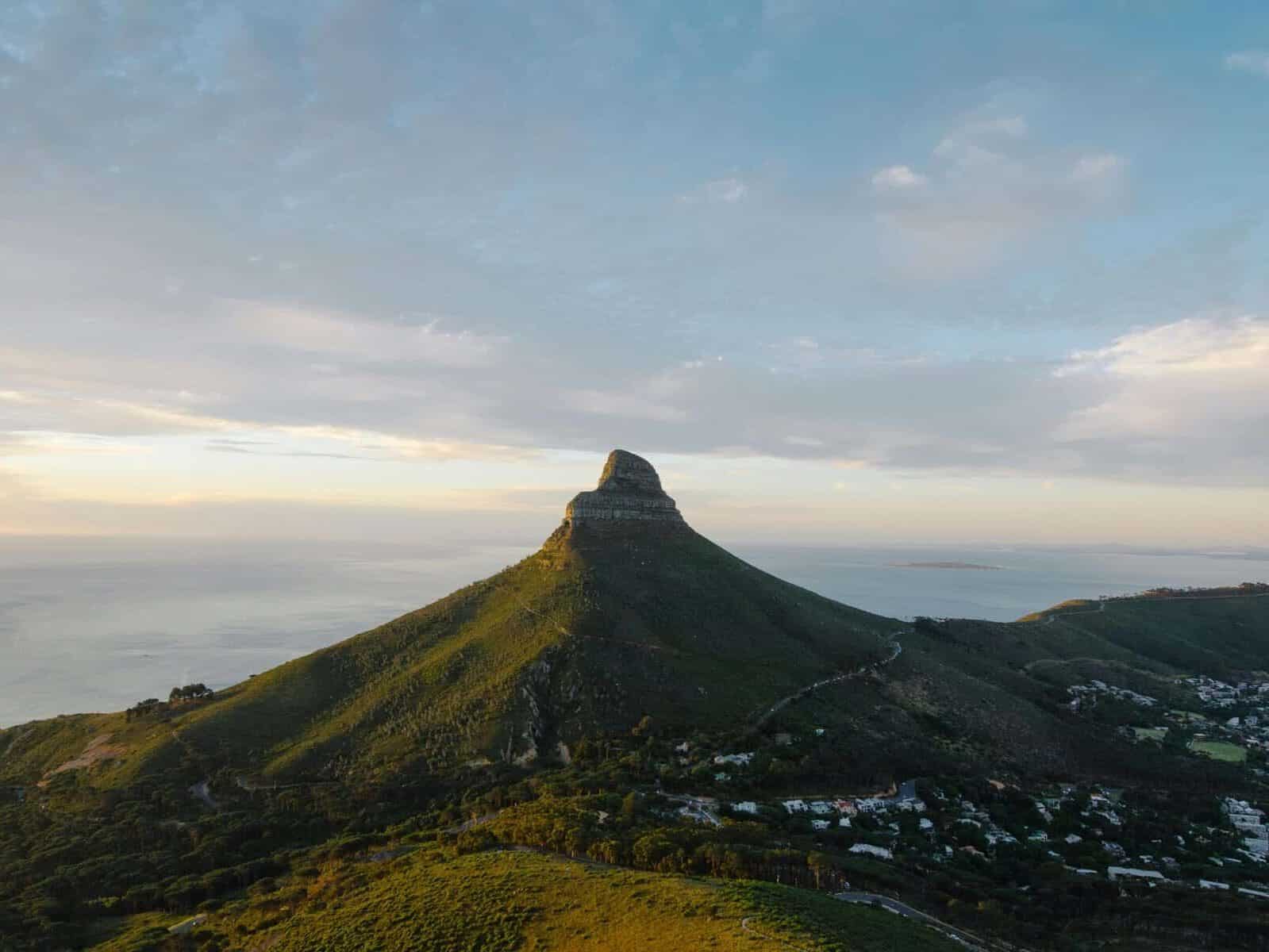
The most important hiking safety tip is that you should avoid hiking alone in South Africa. There are occasional muggings on hiking routes and in forests, but accidents also occur, and people sometimes get lost. Table Mountain’s various hikes are far from easy, and you are much safer in a group.
General hiking safety tips:
- Always start your hikes early in the morning, as it can get very hot – avoid hiking between 11:00 and 14:00 in the summer.
- Never hike alone, both as a matter of security and because accidents are not unheard of.
- Take snacks and water, wear sunblock and proper shoes, and take warm layers, even on a hot day – it can be surprisingly cold at the top of a mountain.
- Double-check the weather on the morning of your hike, as it can change very fast, particularly at the top of Table Mountain.
- Always stick to demarcated paths, particularly on Table Mountain.
- If you are getting the cable car down Table Mountain, make sure you check the time of the last cable car, and be on it – people sometimes get stranded and have to be rescued.
What to Know About Beach Safety in South Africa

Theft
The age-old problem of what to do with your things at the beach when you go for a swim. If you’re in a big enough group, not everyone always wants to swim at the same time, so we usually take turns (I, for example, am quite reptile-like in my desire and ability to keep lying on the beach for ages before I need to cool off).
If you’re in a smaller group, South Africans will often ask a friendly-looking fellow beach visitor to keep an eye on their things while they’re in the water, and you might find people asking you to do this.
You can do this too, but do try to keep watch yourself as well, and don’t abuse the system – don’t swim for longer than 10 or 15 minutes (tbh, the water can be so cold, at least in Cape Town, that you probably won’t want to).
Also, think about the valuables that you really need to bring with you to the beach – I tend to bring less, partly because I don’t want sand getting in everything. You probably need your sunglasses, your phone, and your keys, if you have them.
Do you really need a Kindle or headphones? Nobody steals actual books. Also, you might not need to bring a wallet if you have Apple Pay on your phone, and a single physical bank card can be kept behind your phone’s cover.
If you’ve only got the bare minimum, you could just take your valuables with you into the water – if you really want, your phone and keys can be put into a waterproof bag. I always swim in my sunglasses at the beach (mostly because I don’t dare to fully submerge in Cape Town’s icy waters).
Sharks
Great White Sharks are prevalent in False Bay in Cape Town, where the water is warmer. They don’t usually hang around the Atlantic Seaboard (Clifton, Camps Bay, and Llandudno), where the water is colder, but the surfers still see them there occasionally.
There are also sharks along the East Coast (the Garden Route and Durban). Durban has shark nets up permanently, so swimming is usually safe. There is also a shark exclusion barrier up at Fish Hoek in the spring and summer months, but it is not deployed if the weather conditions are unsuitable.
In False Bay and the Garden Route, a shark spotting system is in operation, with flags indicating whether it is safe to swim or not. Don’t get into the water if it is unsafe.
Swimming
There are usually lifeguards at South Africa’s swimming beaches in the summer, and they will sometimes delineate a swimming area with flags on the beach. This is to help them narrow the area within which they have to watch swimmers, and also because there are rip currents at some beaches.
Make sure you stick to the delineated area – they will blow their whistle at you if you go too far away, which is slightly embarrassing.
Read the signboards at beaches about swimming safety, including whether there is a risk of a rip-tide and what you should do in the event of being caught in one. Generally, if you don’t see other people swimming, you’re better off finding another beach.
If a beach is deserted, or there are very few people on it, you should avoid even walking on it. There have been serious crime incidents on some South African beaches – most tourists are unlikely to go to Port Elizabeth at all, but if you do, avoid the beaches.
Wildlife Safety in South Africa: What Tourists Should Know

The operative term here is “wild”. As cute as baboons, dassies, and penguins might look, don’t forget that they are wild animals. You should not approach them, try to pet them, or feed them under any circumstances.
Lions and other predators are not on this list because they are obviously dangerous, but you aren’t likely to come into accidental contact with them in South Africa. Don’t get out of your car on safari drives, obviously.
Game Drives
If you’re on a game drive at a private game reserve, you will usually be given a safety briefing. The game drive vehicles are open, but you’re generally very safe, as you will be with at least one game ranger.
If you’re self-driving, like in the Kruger National Park, make sure your doors are locked and your windows are closed. Most importantly, don’t get out of the car unless you are in an area which is designated for getting out.
Baboons
You are likely to see baboons on your safari game drives, but in some areas in South Africa, you might also drive past them on ordinary roads. Towards Cape Point and Franschhoek, and near the Kruger National Park, they love to sit along the side of the road, and sometimes even in the middle of the road.
Drive slowly, stop, and let them pass if necessary. The babies are particularly cute, but don’t assume they are soft and cuddly – a scratch or a bite from a baboon can cause serious injuries. Stay in your car, make sure your windows are closed, and your car doors are locked (some of them can open car doors).
If you’re staying anywhere along the Cape Peninsula, they do occasionally get into houses. In the Kruger, they will sometimes come into the camps, particularly early in the mornings. Give them a wide berth if you do see them, and keep your doors and windows locked when you leave your accommodation.
If you encounter one in your accommodation, stay away from it, and don’t corner it or get between it and an exit. Locals will also tell you that baboons are notoriously sexist and seem to be more intimidated by male humans than female humans.
Baboons can be aggressive, and unfortunately, they do associate humans with food. If they see an open door or window (even a car door or window), they will try to get inside. You should never feed them, which aggravates this problem – you’ll see that all the public bins along the Cape Peninsula and in the Kruger are baboon-proof.
Snakes
There are snakes in South Africa, including several poisonous ones. Be aware of where you are putting your feet, and stick to designated paths – you are less likely to come across them on busier paths. See this advice for what to do if you encounter one.
Spiders and Scorpions
My friends love to laugh at my intense arachnophobia because the spiders in South Africa are generally not dangerous (although bites can be painful, and spiders are sometimes big, particularly in winter). Spider bites can usually be dealt with by going to the pharmacy, but see a doctor if you feel unwell or it gets worse.
You’re unlikely to encounter a scorpion, but if you do, the majority aren’t dangerous in South Africa. I would probably go to a doctor with a scorpion bite, but mostly these can also be dealt with by going to a pharmacy.
If you’re staying somewhere a bit rural, and especially when you’re on a safari, zip your suitcase closed, store it in a cupboard, and give your shoes a quick shake before putting them on.
Seals
You’re probably surprised to see seals on this list, and while they are not generally dangerous, you should keep your distance. They hang out in harbours, hoping for some scraps from the fishermen, and you can see them in Cape Town at the Waterfront, in Kalk Bay and Hout Bay.
I absolutely love watching seals – they’re cute and furry, and remind me of mermaid-dogs. That said, do not try to touch them, feed them, or get too close. They are wild animals with sharp teeth. Most recently, there have been confirmed cases of rabies in Cape Fur seals, so definitely stay away from them.
I doubt this happens anymore since the rabies confirmation, but local fishermen in Cape Town have always gotten on very well with seals, and in the past they’ve offered me scraps of fish, and invited me to feed the seals by hand – if this happens, always say no. You wouldn’t feed a wolf or a wild dog, which may have rabies, from your hand, and seals are the exact same (except the mermaid versions).
Solo Female Travel in South Africa
As a woman, when I’m in South Africa, I don’t walk around alone at night (in fact, I don’t even do this with a companion), I make sure I am aware of my surroundings, and I don’t hike alone.
Apart from that, I stick to well-populated areas – if I’m ever alone and feel unsafe, I leave. I know that might sound difficult to interpret if you’re used to living in a very safe place, but basically, I keep away from isolated places, and I pay close attention to my instincts.
That said, you don’t need to lock yourself up at night as a solo female traveller in South Africa. I do leave home alone at night in South Africa, either driving or in an Uber.
I always tell women going to South Africa that the only taxi service I recommend for use at home is Uber. I also enable the following safety features on Uber, wherever I am:
- Ride Check, where Uber checks in if your trip stops unexpectedly or goes off course.
- Pin Verification, which helps to ensure that the car you get into is the correct one. The app generates a four-digit pin, which you give to your driver, which they have to input in order to start the trip.
- Share My Trip, which automatically alerts one of your contacts to your trip and your route.
When I take an Uber home alone at night, I always ask the driver to wait until I get inside my house/hotel before leaving, and they have always been happy to oblige. I would also do this if I were taking an Uber to a restaurant alone at night, if there were no people standing around outside.
Understanding the Bigger Picture
Although you’ve probably read a lot about South Africa’s crime rate online, it is important to understand the context. South Africa is a third-world country, with a high unemployment rate and a legacy of apartheid, which caused huge systemic challenges that continue to reverberate today.
South Africa is also one of the most unequal countries in the world, with an incredibly high Gini Coefficient (the gap between rich and poor), which is correlated with crime. In the immortal words of Meadow Soprano, crime is an economic issue.
That doesn’t mean you should feel unsafe – it means you should travel with empathy and awareness. South Africa is a beautiful, complicated place, and part of appreciating it fully is understanding its history too.
TL;DR – Local Safety Tips for South Africa
- Don’t walk around at night.
- During the day, don’t walk around anywhere that looks abandoned.
- Don’t leave valuables visible in the car, lock your car doors, and keep windows closed.
- Don’t flash valuables around, avoid carrying cash, and use hotel safes for valuables.
- Wear sunscreen and carry water.
- Hike in groups.
- Swim only in designated areas.
- Keep a safe distance from wild animals and respect local warnings about them – they can be genuinely dangerous.
Staying Safe in South Africa
I always tell people that South Africa is the best travel destination because it has a bit of everything – beaches, wine farms, wildlife, and amazing food. But it also has a lot of contrasts, and the socioeconomic issues mean there is crime.
Thousands of tourists, including solo female travellers, visit South Africa every year without incident and fall in love with it. In fact, I’ve never encountered someone who has visited South Africa and hasn’t loved it. If you’re aware of your surroundings and keep basic safety advice in mind, you can have the trip of a lifetime.
If you’re planning a trip, check out my Cape Town safety guide, my South Africa itineraries, and where to stay in Cape Town for more advice. Also, if you like local food, see my post on the 15 best things to eat and drink in Cape Town.
Read More About South Africa
- Hidden Gem Restaurants in Cape Town: 5 Local Favourites
- The best spas in South Africa for a luxury retreat
- The Perfect 3-Day Franschhoek Itinerary
- Cape Town food: 15 must-try things to eat and drink
- The Perfect Weekend Away In Cape Town Like a Local
- South African Wine Routes: Constantia Wine Route, Cape Town
- The 10 Best Things to Do in Cape Town in Winter
- The Ultimate Girls’ Trip Guide to Cape Town
- The 40 Best Things to Do in Cape Town
- Cape Town Itinerary: 5 Perfect Days for First-Timers
- Is Cape Town Safe for Tourists? Tips from a Local
- The Best Spa Hotel in Johannesburg: A Stay at the Four Seasons Westcliff
- The Best Restaurants in Johannesburg
- 15 Stunning South African Sunsets and Where to Find Them
- The 9 Best Franschhoek Wine Farms for Tastings, Lunch and Views
- Where to Stay in Cape Town: 40 Great Hotels by Area
- The Perfect Two-Week South Africa Itinerary
- The 5 Best Hidden Gem Wineries in Franschhoek